
Magic: The Gathering players were in for a surprise when Wizards of the Coast announced a new rule specifically addressing Hakbal of the Surging Soul, the immensely popular Merfolk commander. This rule clarification, known informally as “the Hakbal rule,” was included in the Rules Update Bulletin for Tarkir: Dragonstorm and has significant implications for anyone running this powerful commander.
What is Hakbal of the Surging Soul?
Before diving into the rule change, let’s take a look at the card in question:
Hakbal of the Surging Soul

- Mana Value: 2GU
- Rarity: Mythic Rare
- Type: Legendary Creature – Merfolk Scout
- Stats: 3/3
- Card Text: At the beginning of combat on your turn, each Merfolk creature you control explores. (Reveal the top card of your library. Put that card into your hand if it’s a land. Otherwise, put a +1/+1 counter on the exploring creature, then put the card back or put it into your graveyard.) Whenever Hakbal attacks, you may put a land card from your hand onto the battlefield. If you don’t, draw a card.
Hakbal has quickly risen to become the #1 Merfolk commander and currently ranks as the 29th most popular commander overall on EDHRec. Its popularity stems from its ability to generate significant value through exploration, providing card advantage, ramp, and creature enhancement all in one package.
The New Rule Explained
The “Hakbal rule,” officially designated as Rule 701.40d in the Magic: The Gathering Comprehensive Rules, addresses how multiple creatures exploring simultaneously should be handled. The rule reads:
“If multiple permanents are instructed to explore at the same time, the first player in APNAP order who controls (or, in the case of a permanent no longer on the battlefield, last controlled; see rule 701.40c) one or more of those permanents chooses one of them and it explores. Then this process is repeated for each remaining instruction to explore.”
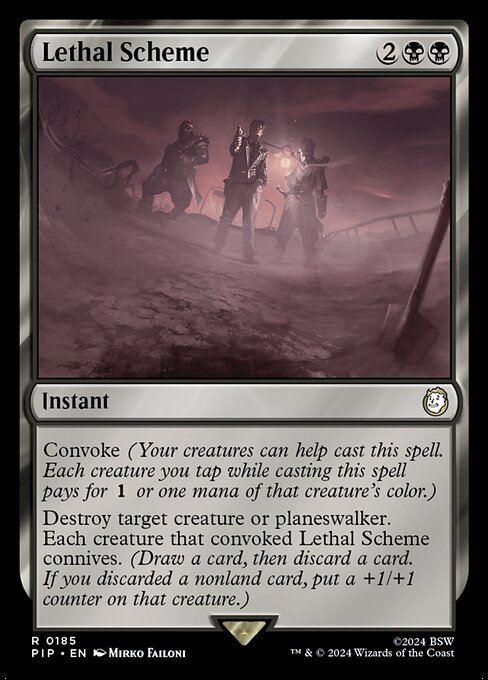
This rule is particularly significant because Hakbal is currently the only card in Magic that makes multiple creatures explore simultaneously. While a similar mechanic exists with cards like Lethal Scheme and Change of Plans (which cause multiple instances of connive), this is the first time Wizards has explicitly addressed the mechanics of simultaneous exploration.

How This Affects Gameplay
The new rule has several important gameplay implications:
1. No Response Between Explores
One of the most significant implications is that your opponents cannot respond between individual explores. When Hakbal’s ability triggers, all of your Merfolk will explore in sequence, but as part of a single resolving ability. This means that once the exploring begins, it must be completed in full before any player receives priority again.
For example, if you control five Merfolk creatures and Hakbal triggers at the beginning of combat, an opponent would only have a window to remove one of your creatures before the first exploration, not between subsequent explorations.
2. A Double-Edged Sword
This rule acts as both a buff and a nerf to Hakbal decks:
The Buff: Your opponents cannot interfere with your explorations once they begin. They can’t respond to what you reveal or selectively remove creatures mid-exploration sequence.
The Nerf: You, as the Hakbal player, cannot perform mid-exploration shenanigans either. For instance, if one of your explorations puts a valuable card in your graveyard, you cannot use a graveyard-based ability to leverage it until all explorations have completed.
3. Choosing Exploration Order
The rule does allow you, as the Hakbal player, to choose which of your Merfolk explores first, second, and so on. This gives you some strategic control over the exploration sequence, which can be particularly important if you’re attempting to set up your top deck or graveyard in a specific way.
Strategic Implications and Combos
With this rule clarification, several strategic implications emerge for Hakbal deck builders:
Exploration Amplifiers
Cards that enhance exploration become even more powerful when they can’t be interrupted:
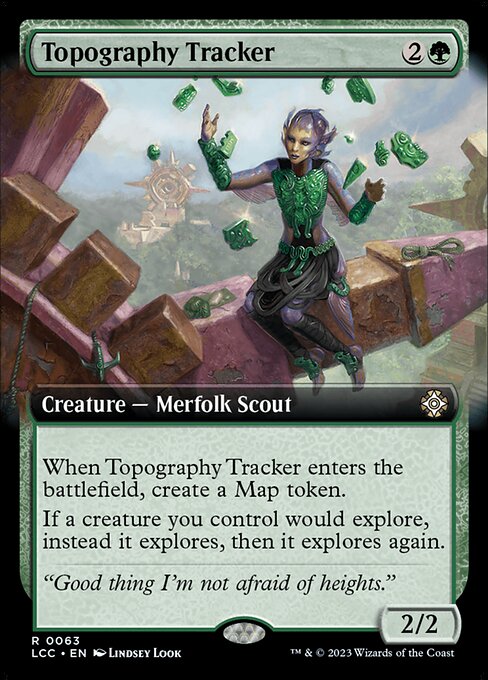
- Topography Tracker: This card makes each creature you control explore an additional time whenever it explores. With the new ruling, you’ll get the additional explorations as part of the same trigger resolution, making it impossible for opponents to disrupt your value engine.
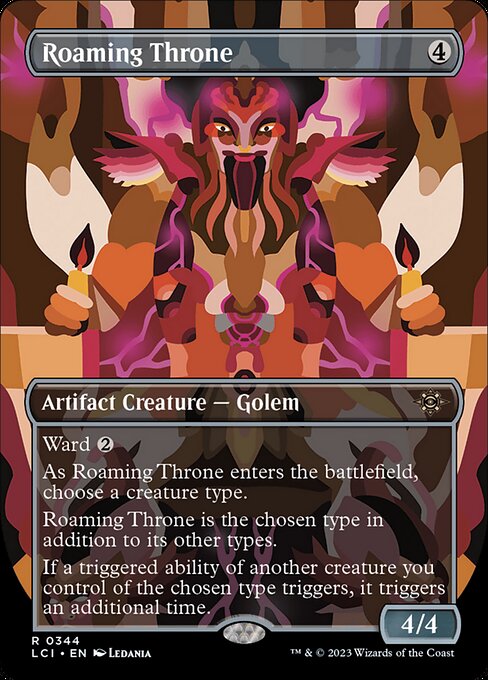
- Roaming Throne: Naming Merfolk with this card allows you to double up on Hakbal’s triggered ability. Each Merfolk will get to explore twice, and if Topography Tracker is also on the battlefield, each Merfolk can explore four times in a single combat phase!
Counter Synergies
Since exploration places +1/+1 counters on creatures when non-land cards are revealed, several counter-based strategies become more powerful:
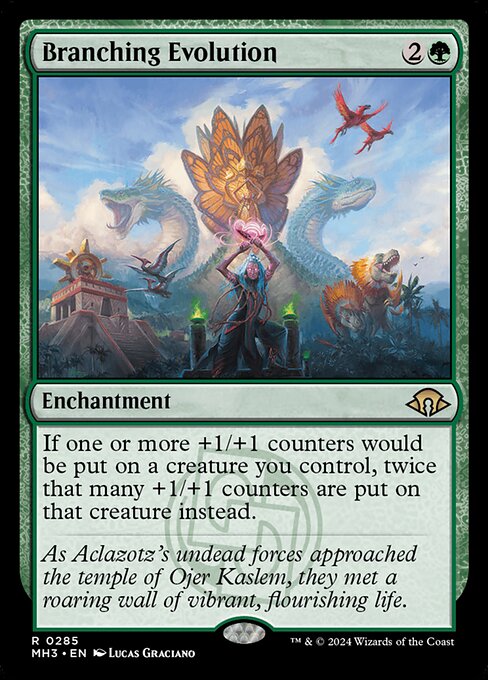
- Hardened Scales and Branching Evolution: These enchantments double the +1/+1 counters your creatures get from exploration, enabling them to grow much larger, much faster.
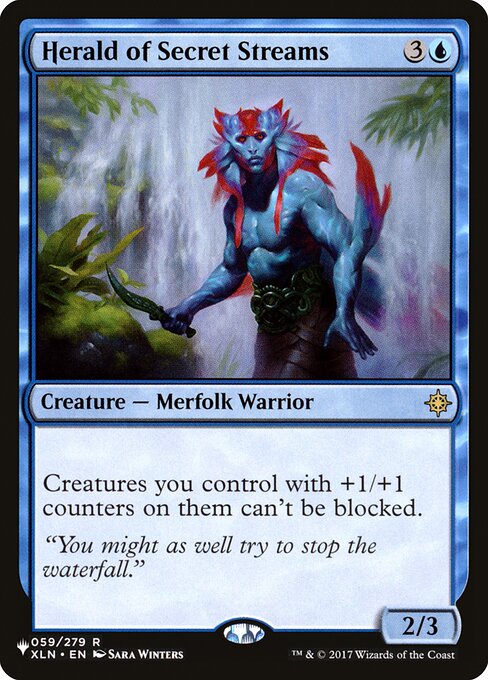
- Herald of Secret Streams: Makes creatures with +1/+1 counters unblockable, turning your buffed-up Merfolk into an unstoppable force.
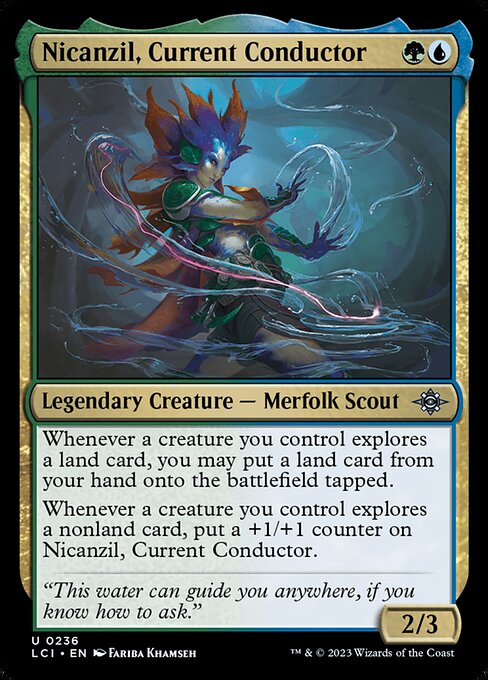
- Nicanzil, Current Conductor: This card’s synergy with Hakbal is particularly notable. When a creature you control with a +1/+1 counter on it explores, you may put a land card from your hand onto the battlefield. Combined with Hakbal’s mass exploration, this can lead to explosive ramp turns.

Top Deck Manipulation
The sequential and uninterruptible nature of multiple explorations makes top deck manipulation particularly valuable:
- Path of Discovery: This enchantment causes creatures to explore when they enter the battlefield, adding another layer of exploration to your deck.
- Thrasios, Triton Hero: Allows you to scry before your exploration turn, setting up ideal exploration sequences.
Community Reactions
The MTG community has had mixed reactions to this rule clarification:
On Reddit, discussions have been more varied, with some players expressing surprise at how they’d been playing the card incorrectly. A thread titled “Popular Merfolk commander receives rules update” on the r/EDH subreddit discusses how many players were unaware of the correct way to resolve Hakbal’s ability before this clarification.
Another Reddit user questioned the order of explorations with Hakbal’s combat trigger, asking whether the Hakbal player “can decide the order of which Merfolk explores next based on what he sees on top of his deck throughout the resolution of the trigger.” The new rule provides clarity on this point: yes, you can choose the order, but all explorations must be completed before any player receives priority again.
How to Use This Knowledge in Your Games
If you’re piloting a Hakbal deck or facing one across the table, here are some tips for leveraging this rule:
For Hakbal Players:
- Plan your exploration order strategically: Consider which creatures might benefit most from +1/+1 counters and explore with them later if you’re likely to hit non-lands.
- Build with uninterruptible exploration in mind: Include payoffs that benefit from mass exploration without needing to respond between explores.
- Incorporate top-deck manipulation: Cards like Sensei’s Divining Top or Mirri’s Guile can help you set up ideal exploration sequences.
- Double down on counter synergies: Since opponents can’t remove creatures in response to later explorations, effects that amplify +1/+1 counters become even more reliable.
For Players Facing Hakbal:
- Timing is key: If you want to remove a Merfolk, do it before combat begins. Once Hakbal’s trigger resolves, all explorations will happen.
- Counterspell the trigger: Rather than trying to respond to individual explorations, consider countering Hakbal’s ability entirely.
- Watch for setups: Be aware that Hakbal players can use top-deck manipulation to set up powerful exploration turns.
In Conclusion
The new Hakbal rule (701.40d) brings welcome clarity to how one of the most popular Merfolk commanders in MTG functions. While it may seem like a minor technical adjustment, it has significant implications for gameplay strategy, particularly in Commander formats where Hakbal shines.
Whether you’re already a devoted Hakbal player or considering building the deck, understanding this rule is crucial for maximizing your exploration value and avoiding rules confusion at the table. As Magic continues to evolve with new mechanics and interactions, clear rulings like this one help ensure that everyone’s enjoying the game as intended.
With the knowledge of how Rule 701.40d affects gameplay, you’re now better equipped to dive into the depths and explore the full potential of Hakbal of the Surging Soul in your Commander games.
Please write your comments and insights for this new ruling below.
Leave a Reply