
Introduction
The Commander format, beloved for its multiplayer dynamics and creative deckbuilding, occasionally requires ban list updates to maintain a healthy play environment. In this article, we’ll examine 40 cards that have raised eyebrows in the Commander community and might face potential bans in the near future.
The Potential Ban List
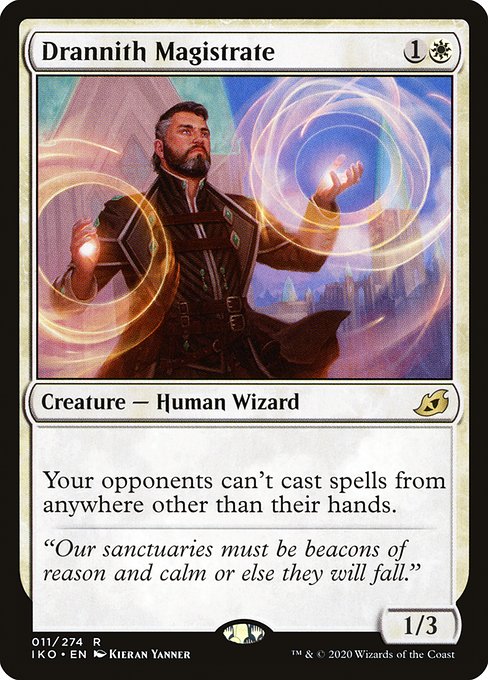
- Drannith Magistrate: This hatebear shuts down commanders and cards cast from outside the hand, potentially warping game strategies.
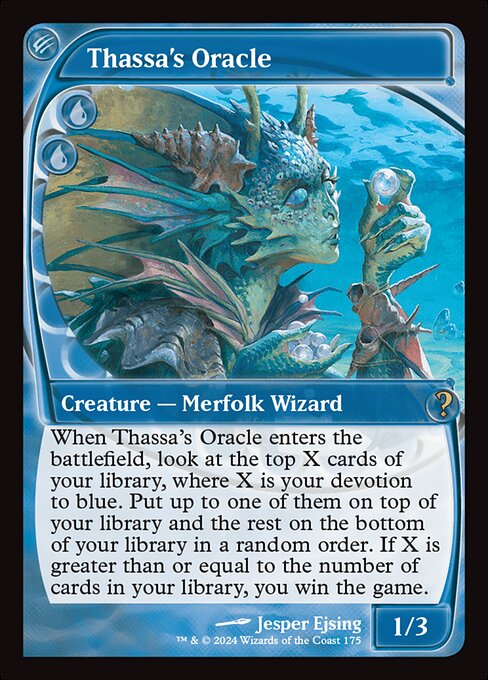
- Thassa’s Oracle: A controversial win condition that can end games too abruptly, especially when combined with self-mill strategies.
- Urza, Lord High Artificer: Provides excessive value and mana acceleration, enabling broken artifact-based combos.
- Jin-Gitaxias, Core Augur: Creates an oppressive card advantage and can lead to non-interactive gameplay.
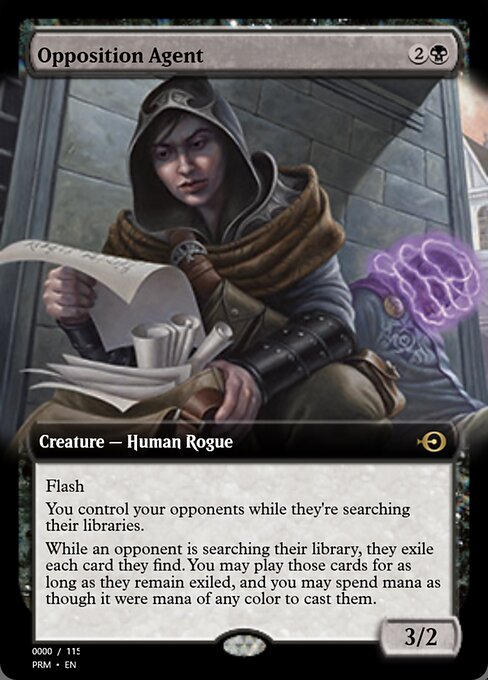
- Opposition Agent: Severely punishes tutoring and searching, a fundamental aspect of many decks.
- Tergrid, God of Fright: Can create unfun gameplay patterns by capitalizing on opponents’ discards and sacrifices.
- Vorinclex, Voice of Hunger: Dramatically slows down opponents while accelerating its controller’s mana production.
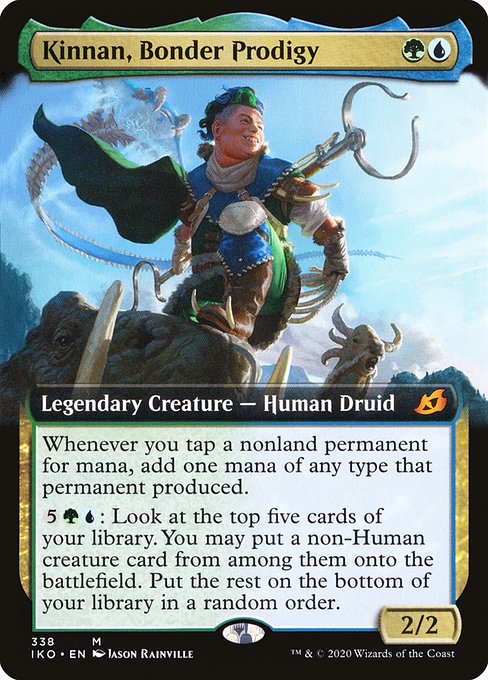
- Kinnan, Bonder Prodigy: Enables fast mana and powerful activated abilities, often leading to quick, non-interactive wins.
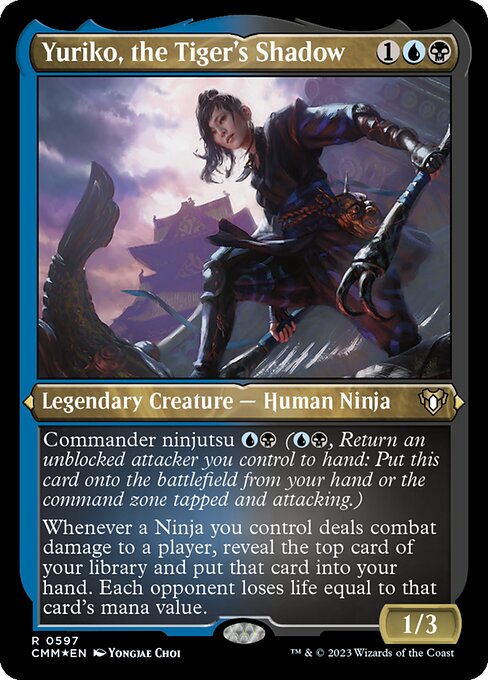
- Yuriko, the Tiger’s Shadow: Bypasses the commander tax and can deal massive damage through its triggered ability.
- Winota, Joiner of Forces: Cheats powerful creatures into play, potentially creating overwhelming board states too quickly.





Powerful Spells and Enchantments
- Grand Arbiter Augustin IV: Tax effects can slow down the game significantly.
- Enlightened Tutor: Efficient tutor who can find game-winning enchantments or artifacts.
- Cyclonic Rift: One-sided board wipe that can be backbreaking when overloaded.
- Force of Will: Free counterspell that can disrupt critical plays without mana investment.
- Fierce Guardianship: Another free counterspell that protects commanders effectively.


Tutors and Card Draw
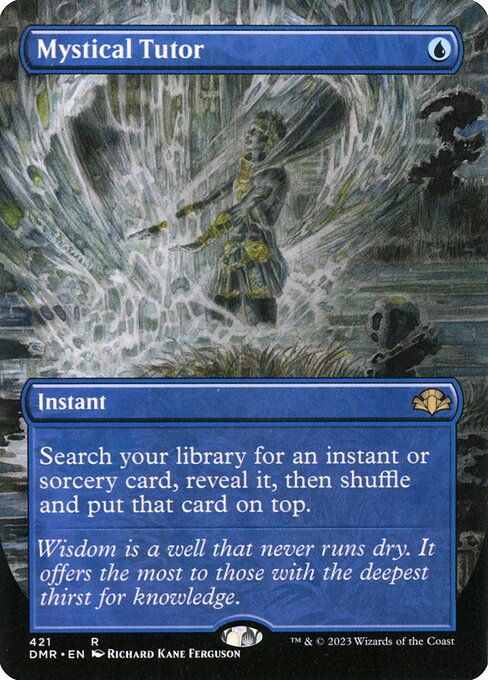
- Mystical Tutor: Efficiently finds powerful instants and sorceries.
- Vampiric Tutor: One of the most efficient tutors in the format.
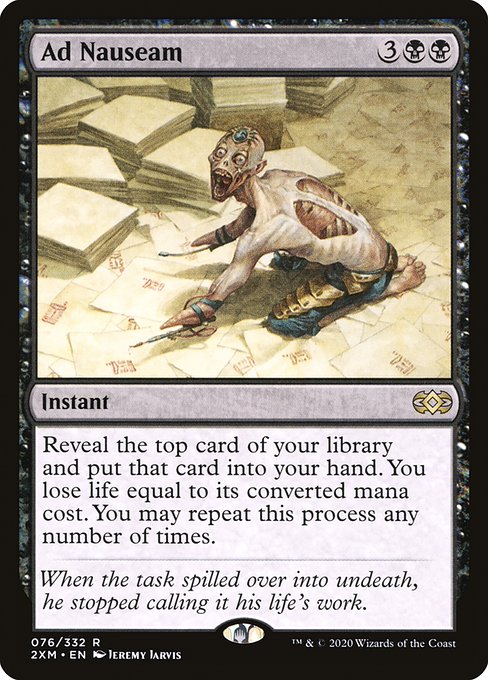
- Ad Nauseam: Enables massive card draw and combo potential.
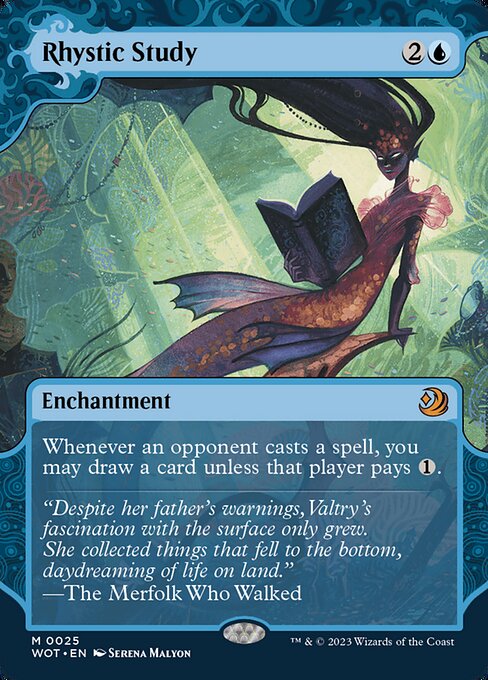
- Rhystic Study: Provides excessive card advantage or taxes opponents.
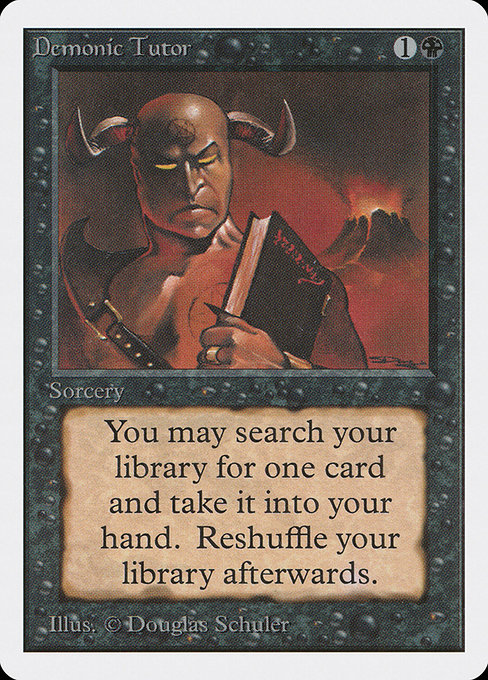
- Demonic Tutor: Universal tutor that finds any card at an efficient cost.


Problematic Lands
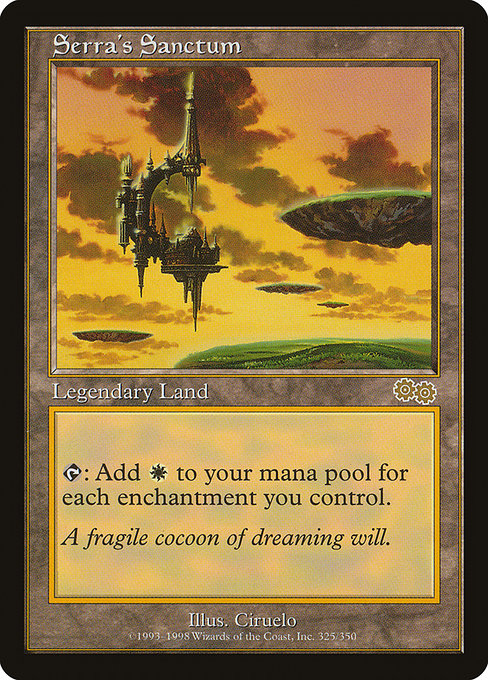
- Serra’s Sanctum: Produces large amounts of mana in enchantment-heavy decks.
- Gaea’s Cradle: Generates excessive mana in creature-heavy strategies.
- Ancient Tomb: Provides fast mana with a minimal drawback.
- Glacial Chasm: Can create stalled game states and protect combo players.
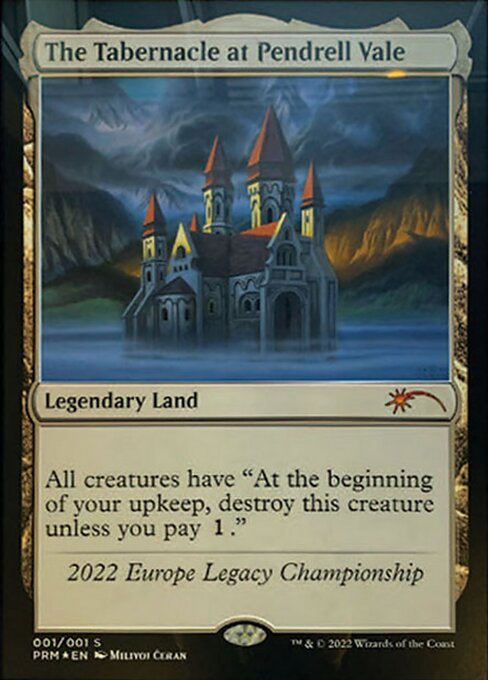
- The Tabernacle at Pendrell Vale: Creates a tax effect that can slow down creature-based strategies significantly.


Mana Rocks and Fast Mana
- Chrome Mox: Enables turn-one plays that can be too powerful for the format.
- Grim Monolith: Produces large amounts of mana quickly.
- Lion’s Eye Diamond: Can enable broken combos and fast mana.
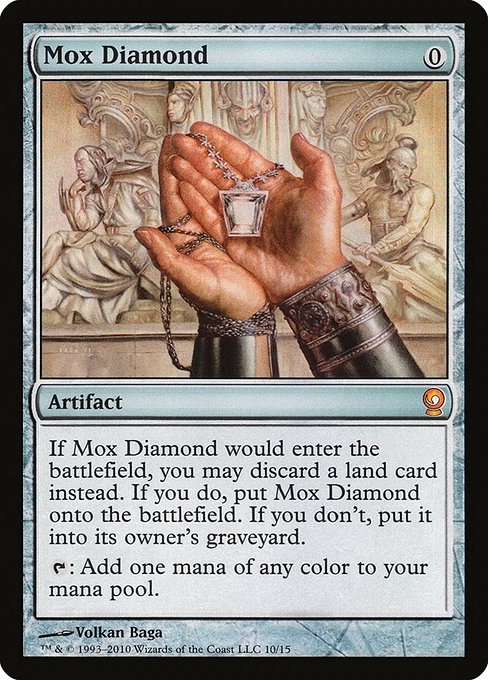
- Mox Diamond: Another powerful fast mana source that can lead to explosive starts.
- Mana Vault: Produces a large mana advantage in the early game.



Recent Powerhouses
- Smothering Tithe: Generates excessive amounts of mana or severely taxes opponents.
- Underworld Breach: Enables graveyard recursion that can lead to game-ending combos.
- Expropriate: Often acts as a “win more” card that can end games on the spot.
- Jeska’s Will: Provides both card advantage and mana acceleration at an efficient rate.
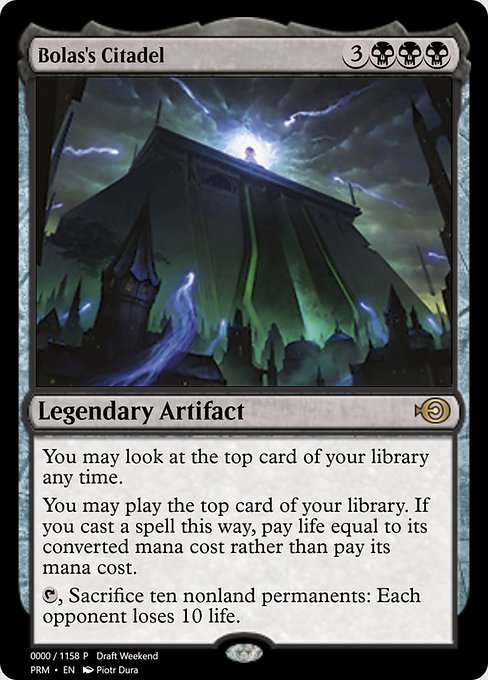
- Bolas’s Citadel: Allows for explosive turns and potential game-winning combos.


Controversial Additions
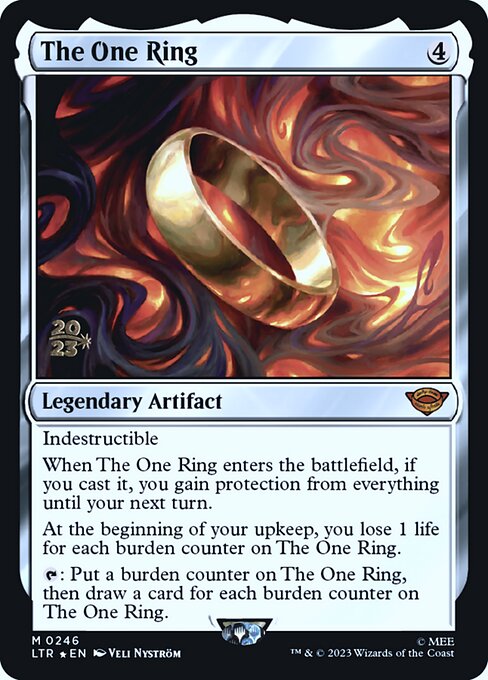
- The One Ring: A new card that provides significant card advantage and protection.
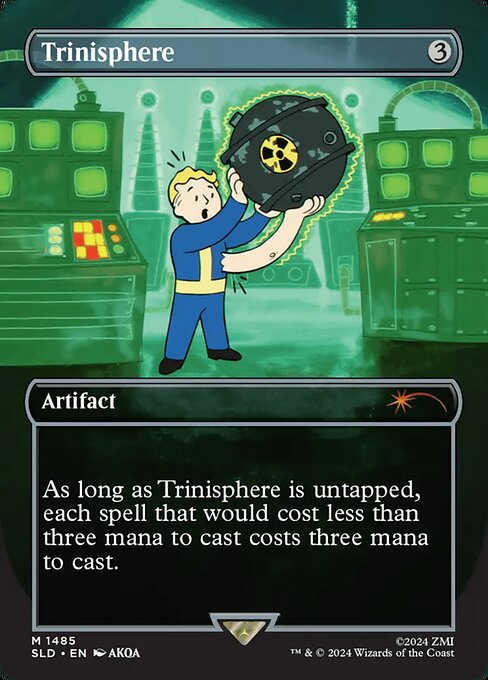
- Trinisphere: Can create oppressive game states, especially against certain strategies.
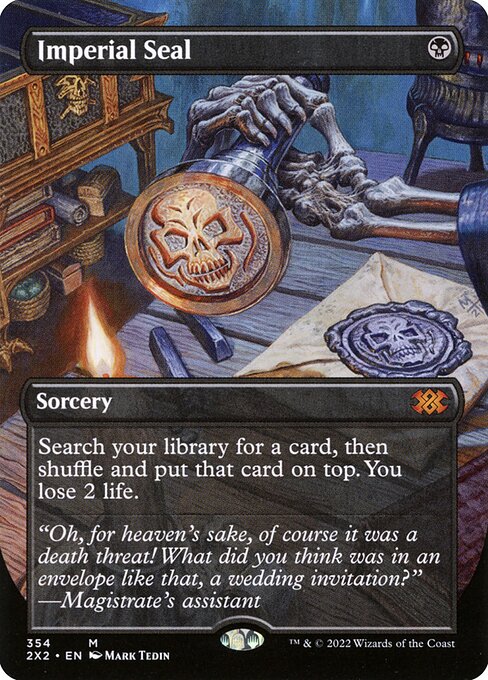
- Imperial Seal: Similar to Vampiric Tutor, it provides efficient tutoring.
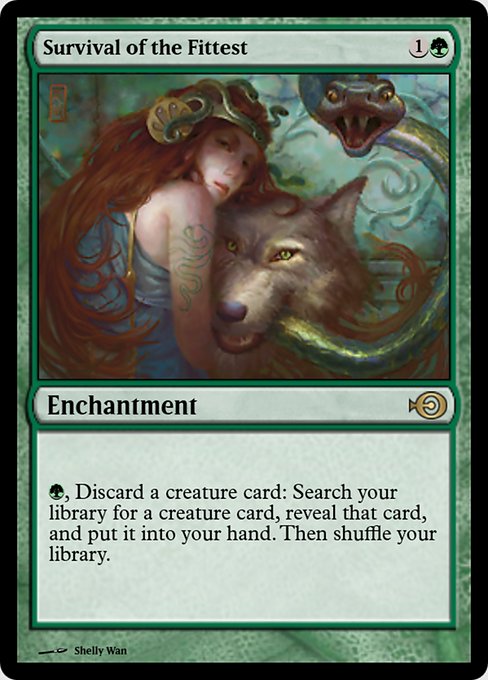
- Survival of the Fittest: Enables powerful creature-based combos and provides significant card selection.
- Trouble in Pairs: A new card that can create unfair advantages in multiplayer games.

Conclusion
While these 40 cards are powerful and potentially problematic, it’s important to note that not all of them will necessarily face bans. The Commander Rules Committee carefully considers the impact of each card on the format’s health and diversity before making any decisions. As players, it’s crucial to use powerful cards responsibly and prioritize fun, interactive gameplay for all participants.
You can view a list of the current banned cards at Wizards of the Coast.
What are your thoughts on these potential bans? Do you agree with the list, or are there other cards you think should be considered? Share your opinions in the comments below!
Leave a Reply